Monday, July 5, 2021

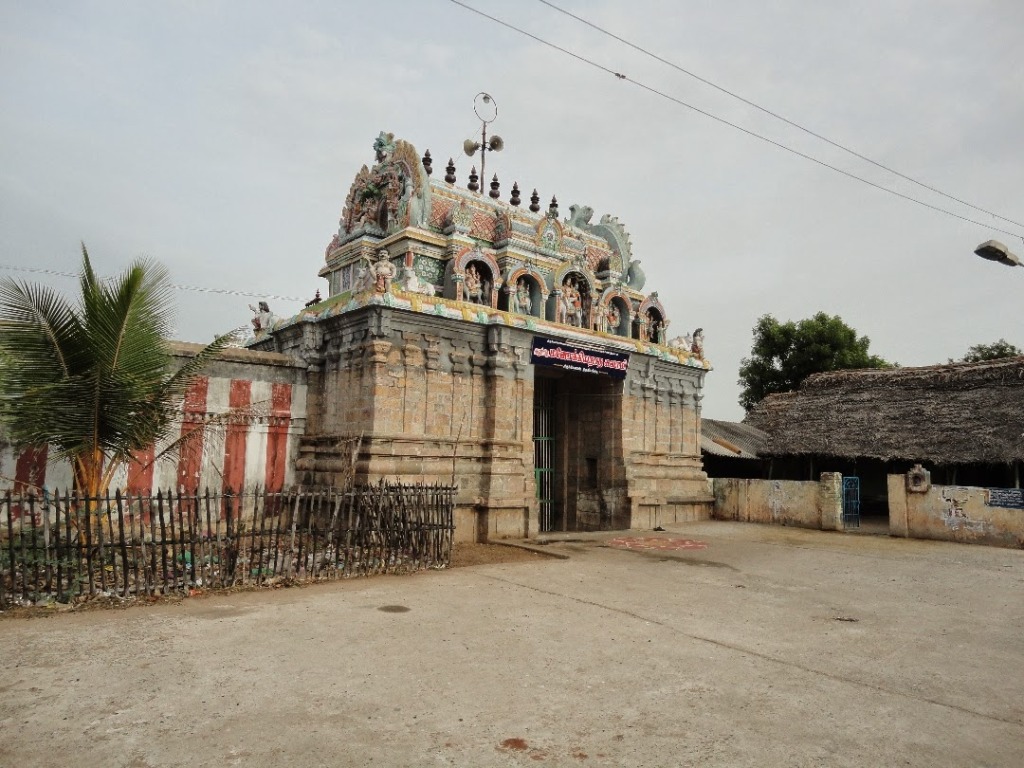
Irangumatheeswarar Temple, Enathur, Kanchipuram

Irangumatheeswarar Temple, Enathur, Kanchipuram

Irangumatheeswarar Temple is a Hindu Temple dedicated to Lord Shiva located in Enathur village near Kanchipuram City in Kanchipuram Taluk in Kanchipuram District of Tamil Nadu. Presiding Deity is called as Irangumatheeswarar and Mother is called as Kamakshi. This temple is considered as Parihara Sthalam for mental illness. The temple is situated in Irangumatheeswarar Temple Street in Enathur village.


Legends

Once, Lord Chandran was on the way to worship Lord Ekambareswarar in Kanchipuram. On seeing Lord Shiva here, he came down and worshipped him. Hence, Lord Shiva came to be called as Irangumatheeswarar.

The Temple

This temple is facing towards east. The Sanctum Sanctorum consists of Sanctum, Ardha Mandapam and an entrance porch. Presiding deity is called as Irangumatheeswarar and is facing east. He is housed in the sanctum in the form of Lingam. Durga is the only koshta idol located in the sanctum wall. Chandikeswarar Shrine can be seen in his usual location.


As in other temples in Kanchipuram, there is no separate shrine of Parvathi as it is believed that Kamakshi of Kanchipuram is the common Parvathi shrine for all Shiva temples. Idols of Vinayaga and Lord Subramanya with his consorts Valli & Devasena can be seen in Ardha Mandapam. Sthala Vriksham is Vilwa tree. The temple pond can be seen near to the temple.

Contact

Irangumatheeswarar Temple

Enathur, Kanchipuram

Kanchipuram District – 631 561

Mobile: +91 98650 49670 / 97500 30065

Connectivity

For brief details, please refer below link;

https://tamilnadu-favtourism.blogspot.com/2021/07/irangumatheeswarar-temple-enathur-connectivity.html

Location

Saturday, July 3, 2021

Sethupureeswarar Temple, Vallamangalam, Thanjavur

Sethupureeswarar Temple, Vallamangalam, Thanjavur

Sethupureeswarar Temple is a Hindu Temple dedicated to Lord Shiva located in Vallamangalam Village near Nachiyar Koil in Kumbakonam Taluk in Thanjavur District of Tamil Nadu, India. Presiding Deity is called as Sethupureeswarar and Mother is called as Soundara Nayagi. The Temple is situated on the northern banks of T.R. Pattinam River.

The Temple

The Temple is facing towards east with an entrance arch. Nandi and Balipeedam can be found facing the sanctum immediately after the entrance. The Sanctum Sanctorum consists of Artha Mandapam and Sanctum. Presiding Deity is called as Sethupureeswarar and is facing east. He is housed in the sanctum in the form of Lingam. Mother is called as Soundara Nayagi. She is housed in a separate south facing shrine. There are shrines for Lord Murugan with his consorts Valli & Deivanai and Lakshmi Narayana Perumal in the temple premises.

Festivals

Pradoshams, Amavasya and Pournami are celebrated here with much fanfare.

Connectivity

The Temple is located at about 1.5 Kms from Nachiyar Koil, 10 Kms from Kumbakonam Railway Station, 11 Kms from Kumbakonam Bus Stand, 11 Kms from Kumbakonam, 47 Kms from Thanjavur and 108 Kms from Trichy Airport. Nachiyar Koil is situated on the Kumbakonam to Thiruvarur Route. Buses are available to Nachiyar Koil from Kumbakonam for every 10 minutes.

Location

Kanagapureeswarar Temple, Kattavakkam – Connectivity

Kanagapureeswarar Temple, Kattavakkam – Connectivity

The Temple is located at about 5 Kms from Kanchipuram Railway Station, 6 Kms from Kanchipuram Bus Stand and 6 Kms from Kanchipuram East Railway Station. The Temple is situated on Kanchipuram to Vedal route. Kanchipuram is located at about 18 Kms from Walajabad, 31 Kms from Sriperumbudur, 40 Kms from Chengalpattu, 60 Kms from Chennai Airport, 67 Kms from Mahabalipuram and 72 Kms from Chennai.

By Road:

Kanchipuram is most easily accessible by road. The Chennai – Bangalore National Highway, NH 4 passes the outskirts of the city. Daily bus services are provided by the Tamil Nadu State Transport Corporation to and from Chennai, Bangalore, Villupuram, Salem, Tirupati, Thiruthani, Vellore, Tiruvannamalai, Coimbatore, Tindivanam and Pondicherry. There are two major bus routes to Chennai, one connecting via Poonamallee and the other via Tambaram.

The Tamil Nadu state government operated transport corporation runs buses from Kanchipuram to most major towns in Tamil Nadu. Buses from Chennai leave for Kanchipuram every fifteen minutes from the Koyambedu interstate bus terminal. There is also an air-conditioned bus service numbered Z576 from 5.00 AM to 6.00 PM, which departs from the T-Nagar bus terminal every hour. Buses from Bangalore leave for Kanchipuram seven times a day.

By Train:

The city is also connected to the railway network through the Kanchipuram railway station. The Chengalpattu – Arakkonam railway line passes through Kanchipuram and travellers can access services to those destinations. Daily trains are provided to Pondicherry and Tirupati, and there is a weekly express train to Madurai and a bi-weekly express train to Nagercoil. Two passenger trains from both sides of Chengalpattu and Arakkonam pass via Kanchipuram.

By Air:

Nearest domestic as well as international airport is Chennai International Airport.

Kanagapureeswarar Temple, Kattavakkam, Kanchipuram

Kanagapureeswarar Temple, Kattavakkam, Kanchipuram

Kanagapureeswarar Temple is a Hindu Temple dedicated to Lord Shiva located in Kattavakkam village near Kanchipuram City in Kanchipuram Taluk in Kanchipuram District of Tamil Nadu. Presiding Deity is called as Kanagapureeswarar / Swarnapureeswarar and Mother is called as Kamakshi. The Temple is situated on Kanchipuram to Vedal route.

Legends

As per legend, it is believed that Sage Agastya and Sage Pulasthya worshipped Lord Shiva here. Also, a celestial bird Vibarjita worshipped Lord Shiva with golden Vilwa leaves here. Hence, Lord Shiva came to be called as Kanagapureeswarar.

History

The original temple might have been built during Pallava period. The Linga and headless Nandi from Pallava era are confirming this fact. The temple was under worship till 19th century CE. Later, the temple was destroyed completely due to nature fury and negligence of locals. This new temple was built in 2017.

The Temple

This newly constructed temple is facing towards east. It is built on the place where an ancient Pallava temple existed once. Balipeedam and Nandi can be found facing the sanctum. This temple consists of Sanctum only. Presiding Deity is called as Kanagapureeswarar / Swarnapureeswarar and is facing east. He is housed in the sanctum in the form of Lingam on a square Avudaiyar.

Lord is a Swayambhu Moorthy (self-manifested). As in other temples in Kanchipuram, there is no separate shrine of Parvathi as it is believed that Kamakshi of Kanchipuram is the common Parvathi shrine for all Shiva temples. A Pallava era Nandi can be found near this temple. The head of the Nandi is missing. There is lotus pond situated opposite to the temple.

Contact

Kanagapureeswarar Temple,

Kattavakkam, Kanchipuram

Kanchipuram District – 631 561

Mobile: +91 96989 48618 / 80563 97431 / 80987 30291

Connectivity

For brief details, please refer below link;

https://tamilnadu-favtourism.blogspot.com/2021/07/kanagapureeswarar-temple-kattavakkam-connectivity.html

Location

Yama Dhandeeswarar Temple, Alagramam, Villupuram

Yama Dhandeeswarar Temple, Alagramam, Villupuram

Yama Dhandeeswarar Temple is a Hindu Temple dedicated to Lord Shiva, located in Alagramam near Thindivanam Town in Thindivanam Taluk in Villupuram District of Tamil Nadu, India. Presiding Deity is called as Yama Dhandeeswarar and Mother is called as Thirupurasundari. The Temple is believed to be around 1500 years old and built by Pallavas. The Temple is situated on northern banks of Thondi River.


Legends

For brief details, please refer below link;

https://lesser-known-temples-in-tamil-nadu.blogspot.com/2021/07/yama-dhandeeswarar-temple-alagramam-legends.html

The Temple

For brief details, please refer below link;

https://lesser-known-temples-in-tamil-nadu.blogspot.com/2021/07/yama-dhandeeswarar-temple-alagramam-temple.html

Festivals

Lord Shiva gave boon to Sage Markandeya to be ever youthful in Magam Star day in Chithirai Month. This event is celebrated in this temple. Monthly Pradoshams, Somavara Pooja, Maha Shivaratri and other Lord Shiva related festivals are celebrated here.

Prayers

This temple is considered as the best place for conducting marriages, Shastiapthapoorthi, Bheemaratha Santhi, Sathabishegam and Mrityunjaya Homam. This temple is also considered as Parihara Sthalam for Kala Sarpa Doshas.

Contact

Yama Dhandeeswarar Temple,

Alagramam, Thindivanam Taluk,

Villupuram District – 604 302

Mobile: +91 97870 83707

Connectivity

The temple is located at about 4 Kms from Mailam Railway Station, 4.5 Kms from Kutteripattu Junction Bus Stop, 13 Kms from Thindivanam Bus Stand, 14 Kms from Thindivanam, 14 Kms from Thindivanam Railway Station, 33 Kms from Villupuram, 39 Kms from Puducherry and 121 Kms from Chennai Airport. The temple is located at about 4 Kms from Kootteripattu junction on Thindivanam – Villupuram Road.

Location | Photos

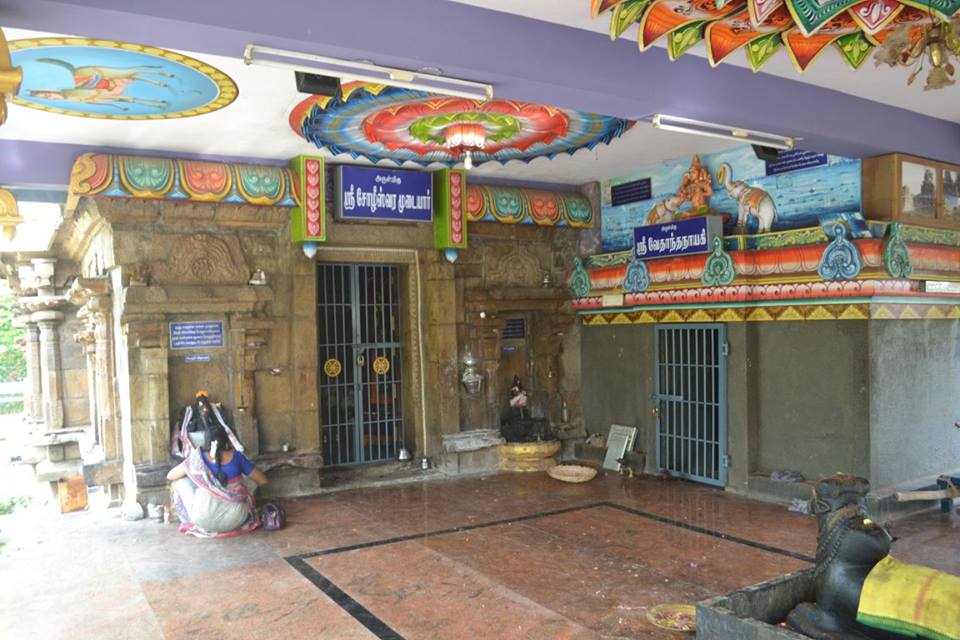
Chozheeswaramudaiyar Temple, Thiruneelakkudi, Thanjavur

Chozheeswaramudaiyar Temple, Thiruneelakkudi, Thanjavur

Chozheeswaramudaiyar Temple is a Hindu Temple dedicated to Lord Shiva located in Thiruneelakkudi in Thiruvidaimarudur Taluk in Thanjavur District of Tamil Nadu. Presiding Deity is called as Chozheeswaramudaiyar and Mother is called as Vedanta Nayagi. Thiruneelakudi was called as Thennalakudi in ancient times.


Legends

Once, a Chola King struck Heranda Maharishi with his arrow mistakenly. He was afflicted with Brahma Hathi Dosha due to his action. The King worshipped the Gopuram of Thiruvidaimaruthur Mahalingeswarar from the banks of River Nattaru and got relieved rom his Dosha. In gratitude, the King built this Temple and named the Lord as Chozheeswaramudaiyar. He got relieved from his dosham at Vittalur, located close to Thiruneelakudi.

The Temple

This Temple is facing towards east. The Temple architecture is similar to Gangai Konda Cholapuram and Darasuram Temple. The Sanctum Sanctorum consists of Maha Mandapam, Artha Mandapam and Sanctum. Nandi And Balipeedam can be found in the Maha Mandapam facing the sanctum. Presiding Deity is called as Chozheeswaramudaiyar and is facing east. He is housed in he sanctum in the form of Lingam.


Vinayaga and Murugan can be found at the entrance of the sanctum. Vinayagar, Dakshinamoorthy, Lingodbhava, Brahma and Durga are the Koshta Idols located around the sanctum walls. Mother is called as Vedanta Nayagi. She is housed in a separate south facing shrine in Maha Mandapam. There are shrines for Murugan, Navagrahas and Chandikeswarar in the temple premises.


Connectivity

The Temple is located at about 500 meters from Thiruneelakudi Bus Stop, 500 meters from Koothakudi Bus Stop, 4 Kms from Aduthurai Railway Station, 6 Kms from Thiruvidaimaruthur, 12 Kms from Kumbakonam Railway Station, 13 Kms from Kumbakonam, 13 Kms from Kumbakonam Bus Stand, 53 Kms from Thanjavur and 109 Kms from Trichy Airport. The Temple is situated on Kumbakonam to Karaikal Route. Buses are available from Kumbakonam frequently.

Location

Kothanda Rama Temple, Mallapuram, Thanjavur

Kothanda Rama Temple, Mallapuram, Thanjavur

Kothanda Rama Temple is a Hindu Temple dedicated to Lord Rama, an Avathara of Lord Vishnu, located in Mallapuram Village in Kumbakonam Taluk in Thanjavur District in Tamil Nadu. The Temple is situated on southern banks of Keerthiman River. The Temple had been fully renovated by Fortune Engineering Private Limited, Nashik in 2018.


The Temple

This Temple is facing towards east. The sanctum houses Lord Rama with his Kothanda (bow) flanked by Lakshmana and Sita. Hanuman can be found in the sanctum in worshipping posture. Garudalwar can be seen facing the sanctum. There are shrines for Thumbikai Azhwar and Hanuman in the temple premises.

Connectivity

The Temple is located at about 1.5 Kms from Elandurai, 4 Kms from Ammangudi, 7 Kms from Aduthurai Railway Station, 10 Kms from Thiruvidaimaruthur, 10 Kms from Ayyavadi, 16 Kms from Kumbakonam Railway Station, 17 Kms from Kumbakonam, 59 Kms from Thanjavur and 116 Kms from Trichy Airport. The Temple is situated on Ayyavadi – Poundarigapuram – Konerirajapuram Route.

Location

Agni Mahalingeswarar Temple, Kachukattu, Thanjavur

Agni Mahalingeswarar Temple, Kachukattu, Thanjavur

Agni Mahalingeswarar Temple is a Hindu Temple dedicated to Lord Shiva located in Kachukattu Village in Thiruvidaimarudur Taluk in Thanjavur District in Tamil Nadu. Presiding Deity is called as Agni Mahalingeswarar and Mother is called as Karpagambal. The Temple is situated on the northern banks of Keerthiman River.

The Temple

This Temple is facing towards east with an entrance at the southern side. There is a Temple Pond in front of the temple. Nandi and Balipeedam can be found facing the sanctum. Presiding Deity is called as Agni Mahalingeswarar and is facing east. He is housed in the sanctum in the form of Lingam. Mother is called as Karpagambal. She is housed in a separate south facing shrine. There are shrines for Vinayagar and Murugan with his consorts Valli & Deivanai in the temple premises.

Connectivity

The Temple is located at about 2 Kms from Elandurai, 4 Kms from Thiruneelakkudi, 7 Kms from Aduthurai Railway Station, 10 Kms from Thiruvidaimaruthur, 16 Kms from Kumbakonam Railway Station, 17 Kms from Kumbakonam, 59 Kms from Thanjavur and 117 Kms from Trichy Airport. Devotees need to travel in Thiruneelakudi to Ammangudi Route, then take a left turn before Keerthiman River and travel for 2 Kms to reach this temple.

Location

Neelakandeswarar Temple, Thiruneelakkudi – The Temple

Neelakandeswarar Temple, Thiruneelakkudi – The Temple

This Temple is facing towards east with single tier Rajagopuram and has two prakarams. Dhwaja Sthambam, Balipeedam and Nandhi can be found immediately after Rajagopuram facing the sanctum. There is another entrance arch in front of the sanctum. The sanctum sanctorum consists of Sanctum, Antarala and Artha Mandapam. Presiding Deity is called as Manokkiyanatha Swamy / Neelakandeswarar / Vilvaranyeswarar / Brahma Nayakar / Kamadenupuradesar / Thailapriyangeswarar and is facing east.


He is housed in the sanctum in the form of Lingam. Lord Shiva is a Swayambhu Moorthy (self-manifested). The Lingam is about 2 ft (0.61 m) high and has an unusual square projections and a rough surface. Despite pots of oil poured on the Shivalinga each day for abishek, the oil is completely absorbed within the Shiva Linga and no drop would be visible and the Shivalinga is never wet with the oil. The most unique aspect is that the Shivalinga always appears as if no oil Abhishek performed on it for a year.


The Shiva Linga is not soft despite abisheks of years. A turf also appears on the Shivalinga. The sanctum sanctorum is of Agazhi type. It is surrounded by a moat like formation on all the 4 sides. Vinayagar, Dakshinamurthy, Lingodbhava, Brahma and Durga are the Koshta idols located around the sanctum walls. There is closed corridor with pillars around the sanctum. Vimana over the sanctum is of Vesara type. Chandikeswarar Shrine can be seen in his usual location. He is seen with his consort Chandikeswari.


There are two separate shrines for Mother Parvathy in the temple premises. One Shrine houses Baktha Beeshta Pradayini / Tapas Parvati / Thavakkola Ammai and the other shrine houses Anoopamasthani / Azhakaambigai / Oppilamulayal. Baktha Beeshta Pradayini attained Lord Shiva here by rigorous penance. She is in penance posture and is about four feet tall. Anoopamasthani nursed Lord Shiva back to health. She is also about four feet tall.


The Lingam worshiped by Lord Brahma (Brahma Lingam) is housed in a shrine called Mukthi Mandapam. Mukthi Mandapam is situated in Artha Mandapam. The Lingam worshiped by Sage Markandeya (Markandeya Lingam) is situated in the prakaram. There is a Navagraha Shrine in the temple premises. All the planets in this shrine faces Lord Surya. It is said that sun rays fall on Navagrahas in the evening during Tamil month of Chithirai.


There are beautiful paintings in the walls of the prakaram depicting Goddess Parvathy performing oil abishekam to Lord Shiva, Lord Shiva & Parvathy and Shiva Leelas (Thiruvilayadal). There are shrines and idols of Vinayakar, Murugan with his consorts Valli & Devasena, Kannimoola Ganapathy, Saneeswarar, Balasubramanya, Neelakanta Nayanar, Kasi Vishwanathar with his consort Visalakshi, Saraswathi, Mahalakshmi, Nalvar, Markandeya, Surya and Bairavar can be seen in the prakaram.


There is a stone mortar and pestle set in the prakaram. It is said that it was used in ancient times to grind gingelly seeds. Theerthams associated with this temple are Veda Theertham, Brahma Theertham, Kamadhenu Theertham, Devi Theertham, Ksheera Theertham, Bharadhwaja Theertham, Markandeya Theertham and Cauvery River. There is big pond in front of the temple. Sthala Vriksham is Vilvam tree (Pancha Vilvam). Hence, the place came to be called as Pancha Vilva Aaranya Kshetram.


The Vilwa tree in the temple has five petals while usually it has only three in other Vilwa trees. The jack tree in the temple has also its own sacredness. The fruit should be cut and offered to Lord as nivedhana and then only taken to homes by the devotees. Taking them direct without offering to Lord will end in some punishment. It is proved by experience to those who wanted to test this condition.


Friday, July 2, 2021

Neelakandeswarar Temple, Thiruneelakkudi – Literary Mention

Neelakandeswarar Temple, Thiruneelakkudi – Literary Mention

The Temple is considered as one of the shrines of the 276 Paadal Petra Sthalams (Shiva Sthalams) glorified in the early medieval Thevaram poems by Tamil Saivite Nayanar Tirunavukkarasar. The Saiva saint Appar is believed to have worshipped and sung praises of the deity here while he was going to Thygarajaswamy Temple, Tiruvarur. He describes the tortures he faced from his Jain counterparts. This Temple is considered as the 149th Paadal Petra Shiva Sthalam and 32nd sthalam on the south side of river Cauvery in Chozha Nadu.

Appar (05.072):

வைத்த à®®ாடுà®®்

மனைவியுà®®் à®®à®•்கள்நீà®°்

செத்த à®ªோது

செà®±ியாà®°் à®ªிà®°ிவதே

நித்த à®¨ீலக்

குடியர à®©ைந்நினை

சித்த à®®ாகிà®±்

சிவகதி à®šேà®°்திà®°ே.  1

செய்ய à®®ேனியன்

à®±ேனொடு à®ªால்தயிà®°்

நெய்ய à®¤ாடிய

நீலக் à®•ுடியரன்

à®®ைய à®²ாய்மற

வாமனத் à®¤ாà®°்க்கெலாà®™்

கையி à®²ாமல

கக்கனி à®¯ொக்குà®®ே.  2

ஆற்à®± à®¨ீள்சடை

ஆயிà®´ை à®¯ாளொà®°ு

கூà®±்றன் à®®ேனியிà®±்

கோலம à®¤ாகிய

நீà®±்றன் à®¨ீலக்

குடியுடை à®¯ானடி

போà®±்à®±ி à®©ாà®°ிடர்

போக்குà®®் à®ªுனிதனே.  3

நாலு à®µேதியர்க்

கின்னருள் à®¨à®©்னிழல்

ஆலன் à®†à®²à®¨à®ž்

சுண்டகண் à®Ÿà®¤்தமர்

நீலன் à®¨ீலக்

குடியுà®±ை à®¨ின்மலன்

கால à®©ாà®°ுயிà®°்

போக்கிய à®•ாலனே.  4

நேச à®¨ீலக்

குடியர à®©ேயெனா

நீச à®°ாய்நெடு

à®®ால்செய்த à®®ாயத்தால்

ஈச à®©ோà®°்சர

à®®ெய்ய à®Žà®°ிந்துபோய்

நாச à®®ானாà®°்

திà®°ிபுà®° à®¨ாதரே.  5

கொன்à®±ை à®šூடியைக்

குன்à®± à®®à®•ளொடுà®®்

நின்à®± à®¨ீலக்

குடியர à®©ேயெனீà®°்

என்à®±ுà®®் à®µாà®´்வுகந்

தேயிà®±ு à®®ாக்குநீà®°்

பொன்à®±ுà®®் à®ªோது

நுமக்கறி à®µொண்ணுà®®ே.  6

கல்லி à®©ோடெனைப்

பூட்டி à®…மண்கையர்

ஒல்லை à®¨ீà®°்புக

நூக்கவென் à®µாக்கினால்

நெல்லு à®¨ீள்வயல்

நீலக் à®•ுடியரன்

நல்ல à®¨ாமம்

நவிà®±்à®±ியுய்ந் à®¤ேனன்à®±ே.  7

அழகி à®¯ோà®®ிளை

யோà®®ெனு à®®ாசையால்

à®’à®´ுகி à®†à®µி

உடல்விடு à®®ுன்னமே

நிழல à®¤ாà®°்பொà®´ில்

நீலக் à®•ுடியரன்

கழல்கொள் à®šேவடி

கைதொà®´ு à®¤ுய்à®®்à®®ினே.  8

கற்à®±ைச் à®šெஞ்சடைக்

காய்கதிà®°் à®µெண்டிà®™்கள்

பற்à®±ிப் à®ªாà®®்புடன்

வைத்த à®ªà®°ாபரன்

நெà®±்à®±ிக் à®•ண்ணுடை

நீலக் à®•ுடியரன்

சுà®±்à®±ித் à®¤ேவர்

தொà®´ுà®™்கழற் à®šோதியே.  9

தருக்கி à®µெà®±்பது

தாà®™்கிய à®µீà®™்குதோள்

அரக்க à®©ாà®°ுட

லாà®™்கொà®°் à®µிரலினால்

நெà®°ித்து à®¨ீலக்

குடியரன் à®ªின்னையுà®®்

இரக்க à®®ாயருள்

செய்தனன் à®Žà®©்பரே.